The Role of Fascias and Soffits in a Healthy Roof System
When property owners think about their roofing system, attention naturally gravitates toward tiles, metal sheets, and visible guttering. However, tucked along the perimeter of the roofline are two vital components that perform essential structural and protective duties: fascias and soffits. In coastal environments like Fremantle and across greater Perth, these architectural features serve as the front line of defense against severe weather, salt-laden sea air, and extreme heat.
Understanding Fascias and Soffits
The fascia is the long, straight board mounted horizontally where the roof meets the outer walls of the building. It is fixed directly to the roof trusses and bears the significant physical weight of the guttering system, especially when gutters are filled with water during intense downpours. The soffit is the board fitted beneath the fascia, bridging the gap between the roofline edge and the exterior wall of the property.
Key Functions in the Fremantle and Perth Climate
Western Australia’s coastal suburbs experience a unique combination of intense ultraviolet radiation, strong afternoon breezes like the Fremantle Doctor, and periodic winter squalls carrying marine moisture. A properly installed roofline system protects the building envelope against these distinct elements.
1. Supporting Structural Drainage
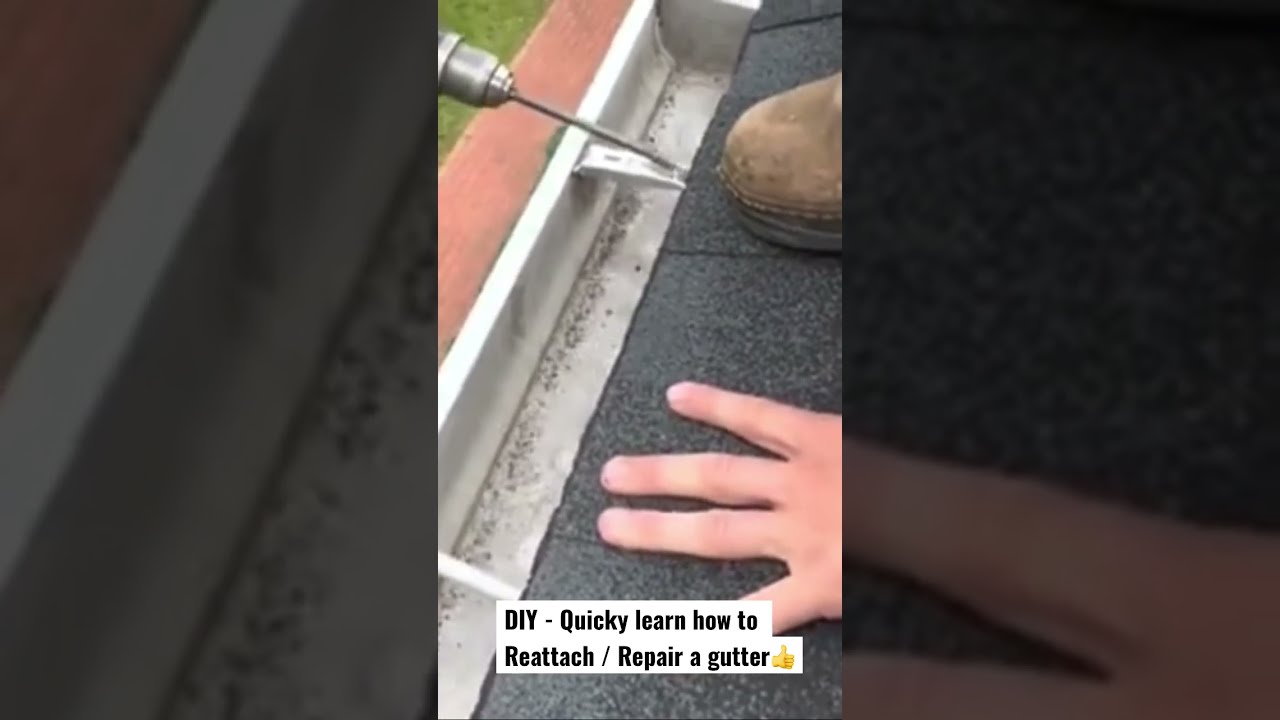
The primary load-bearing role of the fascia board is anchoring gutter brackets securely. During sudden winter storms in Fremantle, gutters collect thousands of litres of rainwater within minutes. If fascia boards become compromised by rot, rust, or termite damage, gutters can pull away from the roofline, leading to water cascading down external walls, damaging foundations, and flooding ceiling cavities.
2. Attic Ventilation and Thermal Regulation
Soffits play an indispensable role in maintaining consistent attic ventilation. Modern building standards in 2026 emphasise passive ventilation systems to counteract blistering summer attic temperatures, which can easily exceed 60 degrees Celsius in Perth. Vented soffits draw cooler external air into the roof space, pushing hot air upward and out through ridge vents or roof extractors. This airflow reduces indoor cooling costs, mitigates thermal shock on roof materials, and prevents the condensation that fuels mould growth inside ceiling spaces.
3. Weatherproofing and Salt Protection
Fremantle properties endure relentless exposure to coastal sea spray. Soffits seal the eaves, preventing winds from driving corrosive sea air, moisture, and debris deep into the underlying roof framing. Without a secure soffit seal, exposed rafters deteriorate rapidly under regular exposure to marine salt mist.
4. Pest Barrier and Void Protection
Unsealed or decayed eaves offer an easy entry point for local pests. Soffits create a continuous, impenetrable https://roofrestorationfremantle.com.au/about/ barrier that keeps birds, possums, rodents, and wasps from nesting within the roof cavity, where they can chew through electrical wiring and soil insulation.
Signs Your Fascias and Soffits Require Attention
Routine inspections are essential to catch roofline degradation early before structural framing sustains moisture damage. Homeowners should look for the following red flags:
- Peeling or blistered paint: A clear indicator that moisture is trapped within the wood or beneath protective coatings.
- Sagging or detached gutters: Usually caused by decaying fascia boards losing their grip on gutter fixing screws.
- Damp patches or stains on interior walls: Suggests water is overflowing behind the fascia board and entering the eaves.
- Visible soft spots or timber rot: Readily apparent along the corners or joints where water runoff tends to pool.
- Chewed edges or wasp nesting activity: Indicates gaps or rotting sections allowing entry to local wildlife.
Choosing the Best Materials for Coastal Rooflines
Material selection must be tailored to the coastal conditions of Perth and Fremantle to guarantee longevity and low maintenance:

- Colorbond Steel: Highly favoured across Western Australia for its exceptional corrosion resistance, superior thermal tolerance, and resistance to pest damage.
- Fibre Cement: A rot-proof, fire-resistant option for soffit lining that withstands coastal salt air without expanding or warping.
- Marine-Treated Timber: Provides a classic aesthetic for heritage properties in Fremantle when properly primed and finished with high-performance exterior coatings.
- Aluminium Capping: Useful for retrofitting older timber fascias to shield them from ongoing weathering and moisture absorption.
Ensuring Long-Term Roof Health
Maintaining fascias and soffits is a proactive investment in the longevity of any home or commercial building. Conducting seasonal gutter clears, checking that soffit ventilation grilles remain unobstructed by dust or debris, and promptly addressing minor timber defects will prevent expensive structural repairs. For properties situated along the coast, engaging a licensed local roofing contractor to assess the integrity of your eaves ensures your roof system remains resilient, energy-efficient, and weather-tight through 2026 and into the decades ahead.
Fremantle Roof Restoration & Repair
WA, 6160
(08) 9515 3082
Ends · RYLANPJOD807